


Published by
Teravision - Marketing Team
Share


The CTO's Guide to Legacy System Modernization
- SOFTWARE DEVELOPMENT
12 August 2026
Maintaining outdated software eats up nearly forty percent of average corporate IT budgets. This continuous drain stalls product growth and leaves engineering leaders struggling to scale velocity.
Legacy system modernization is the process of updating, refactoring, or replacing aging software to reduce maintenance costs, boost security, and support business growth. This work is highly important today. A report by Forrester shows that seventy-six percent of business leaders invest in updating software to lower risks.
By moving away from old platforms, companies can escape the heavy technical debt that stalls daily work and eats up key IT budgets.
Dedicated nearshore engineering teams help speed up this software transition by providing highly skilled developers who fit smoothly into your corporate workflow. These engineers work alongside your in-house team to rebuild old systems, remove software bottlenecks, and deliver real business value much faster.
But how can engineering leaders guide this shift without breaking daily operations or stalling key product releases? To find a safe path forward, you must first understand Why Legacy System Modernization Demands a Strategy, Not a Project. The transition starts with
Book a Discovery Call to scope a modernization roadmap that protects your operations and unblocks your roadmap.
Why Legacy System Modernization Demands a Strategy, Not a Project
The cost of waiting
Waiting to update old software is a risky choice for growing companies. Many tech leaders put off this work because they worry about cost and downtime. But delaying a critical legacy system modernization plan will cost more in the long run. Old systems are slow, hard to scale, and costly to maintain. Over time, these old platforms fail to support new features, which slows your team down and hurts your business growth.
Research from Forrester shows that 76% of business leaders are modernizing to replace legacy tools. They aim to reduce risk, clear out team silos, and gain agility. When you delay this work, your team must spend key hours fixing bugs instead of building new tools. This means your best engineers spend their days fighting fires rather than coding valuable new features.
Understanding enterprise technical debt
To guide your team well, you must look at technical debt as a broad business issue. Many teams view technical debt as a small problem in a single app. But the Software Engineering Institute at Carnegie Mellon University warns that enterprise technical debt spreads far wider. It affects your entire software portfolio and can block new business growth. When you only patch small parts of an app, you ignore the larger structural risks.
This type of debt builds up when teams make fast, easy choices to hit short-term deadlines. These quick fixes save a few days now, but they create major problems later. Over time, these patchworks of old code make it hard for systems to share data cleanly. The result is a slow, brittle system that costs more to patch than it would to rebuild. These choices are made for quick gain in the short term, but they always lead to long-term pain.
Security and operational risks
Old code does more than slow down your progress. It also leaves your systems open to major safety threats. The Software Engineering Institute has shown that technical debt has a direct cybersecurity impact on core platforms. If you do not update your systems, hackers can find gaps in your code and steal your business data. These security holes can lead to massive data leaks and system downtime.
Using a project-based approach to fix these issues rarely works. Projects have a set start and end date, but old tech changes every single day. A true modernization plan must be an ongoing strategy. This ensures your systems stay secure, run fast, and support your long-term plans without costly roadblocks. This strategic focus helps you build a solid foundation that can grow alongside your business.
The Four Paths to Legacy System Modernization
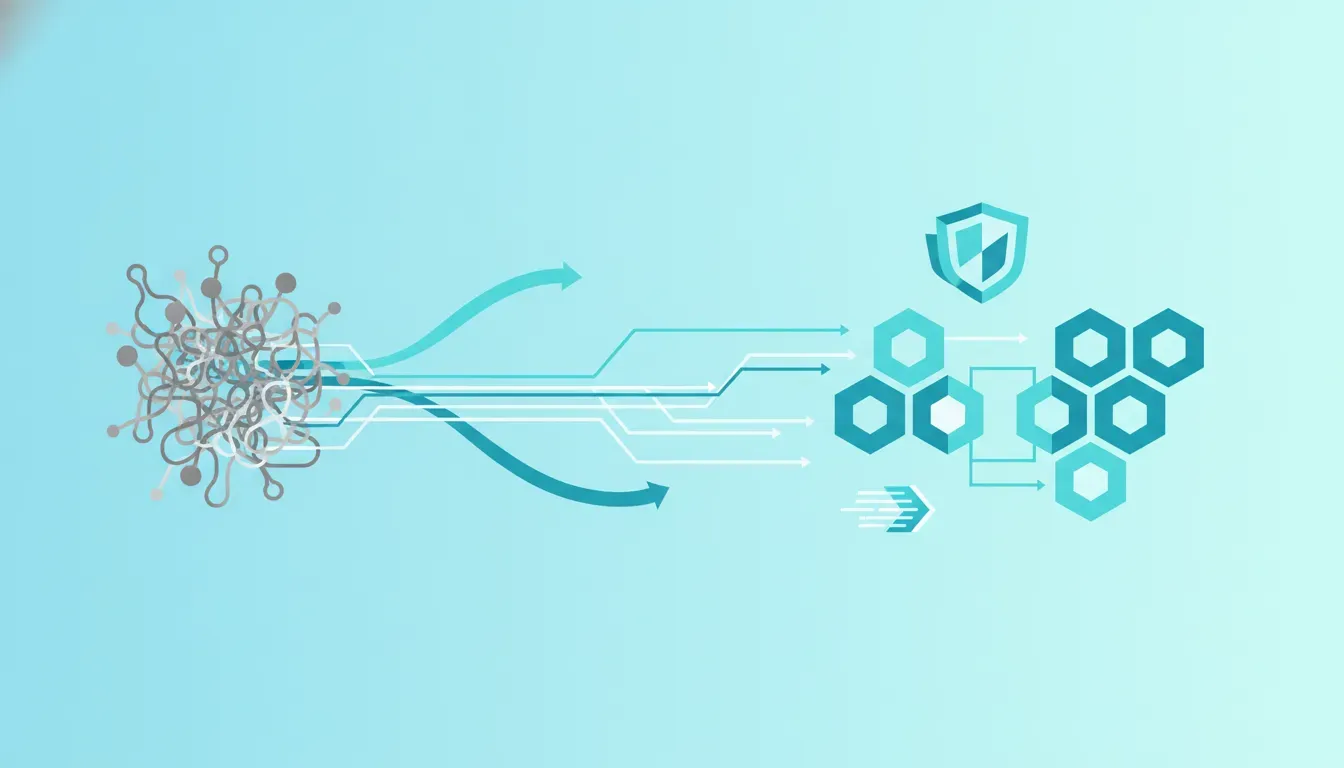
Strong legacy system modernization is the process of updating, fixing, or replacing old software and systems. This work improves speed, safety, and scale. But it does not always mean a full replacement. Teams can make small changes to get the same results. Many leaders think they must scrap their old tools right away. This is not true. You can update parts of your stack one step at a time. This keeps your business running while you build better tools for the future.
Evaluating your system options
System updates cut upkeep costs and support digital business growth. This path lets you turn old systems into valuable assets that help your company move forward. But waiting too long can create deep risks. Carnegie Mellon University notes that enterprise technical debt comes from quick choices that become hard to manage over time.
When you keep using slow systems, you spend too much cash on basic upkeep. That is cash you could use to build new features. Modern systems let you react to the market fast. They make your team happy because they do not have to fight old code every day.
To make the right choice, leaders should compare the four standard paths of modernization. These paths are rehosting, refactoring, rearchitecting, and replacing. Each approach has different trade-offs in terms of cost, speed, and long-term value. Some paths are quick but do not fix the root problems. Other paths take years but give you a brand-new start. You must look at your budget, timeline, and tech skills before you choose which road to take.
Comparing the four paths
| Approach | Effort | Risk | Time | Best Use Case |
|---|---|---|---|---|
| Rehost | Low | Low | Weeks | Quick migration of stable systems to cloud hosting. |
| Refactor | Medium | Medium | Months | Improving code to boost speed without changing how it works. |
| Rearchitect | High | Medium | Months to years | Moving to modern cloud-native systems to get the best scale. |
| Replace | Very High | High | Years | Scrapping old software to buy or use new third-party tools. |
Selecting your path
Selecting your path depends on your business goals and current system state. If you plan to rebuild your core systems, you should check out our cloud-native architecture guide. This guide helps you design systems that are easy to change and scale as you grow.
Partnering with a skilled nearshore team can help you build this plan in weeks rather than months. A good team will review your systems and find the best path. They can help you move your code without losing any data. This ensures your clients get great service during the change. You will save money and get to market much faster.
What It Costs a CTO to Keep Waiting on Legacy Systems
Many engineering leaders put off system upgrades to save time and money. But putting off this work creates hidden risks that reach far beyond one team. Quick choices made for short-term speed often build up massive long-term pain. Research from Carnegie Mellon shows that enterprise technical debt hurts the whole business portfolio, not just a single project.
Severe security gaps
Keeping old software running makes your business a prime target for attacks. Legacy setups often rely on old frameworks that no longer get security patches. Hackers look for these weak points to steal private data. Indeed, studies on software systems show that technical debt has a direct cybersecurity impact that grows worse with time. If you do not patch these holes, a single breach can cost your firm millions.
Brittle data integrations
Old systems also lead to weak and broken links between tools. Many legacy platforms rely on custom scripts and brittle integrations to share data. These fragile setups often run slow, faulty extract, transform, and load (ETL) jobs. When an ETL job fails, your key business data is left in an inconsistent state. As a result, users get mismatched past query answers after a system failure. This ruins trust in reports and stalls key choices.
To fix these data flow issues, you must move toward modern, decoupled setups. Reading a cloud-native architecture guide can help you design systems that stay synced and scale well. Moving away from rigid, monolithic databases prevents data loss and keeps your business running during outages.
Talent drain and slow innovation
Finally, keeping old systems hurts your engineering team. Elite engineers want to build new products using modern tools and clean code. They do not want to spend their days patching decades-old software or fighting manual tasks. When senior devs leave because of a legacy stack, finding new devs becomes slow and costly. This talent drain stalls your roadmap, leaving you not able to ship new features that keep you ahead of rivals.
When your own team is bogged down by technical debt, they have no time to focus on core work. Modernizing your systems stops this cycle and lets your engineers build strong assets that drive growth. Instead of wasting time on daily fixes, your team can focus on shipping products that users love.
How a Digital Transformation Engineering Team Modernizes Legacy Systems
The value of technical planning
To modernize complex software, CTOs often use product engineering outsourcing to boost output. An expert nearshore team can work with in-house engineers. With a rapid two-week ramp-up, this model ensures legacy system modernization occurs with no downtime to daily business tasks.
Working with a nearshore partner helps you bypass the slow process of local hiring. Our engineers share your time zone and speak fluent English, to make daily work seamless. This close teamwork lets the blended team fix code issues faster and with fewer delays.
A phased modernization roadmap
Before changing any code, you need a clear path. Research from the Carnegie Mellon Software Engineering Institute shows that managing debt requires a portfolio-wide view of software risks. A structured roadmap helps teams execute this strategy safely.
This step-by-step method ensures that legacy system modernization remains controlled and clear. By breaking the process down, engineering leaders can lower day-to-day risks while showing real progress to other business leaders at each stage.
- First, map out all business software and tools. This portfolio-wide review helps find hidden risks and links before you write new code.
- Measure the cost and impact of your existing debt. Knowing this baseline helps you plan budgets and choose which parts of the legacy system to fix first.
- Select a small, low-risk part for your first update. Starting with a clear, narrow scope allows the team to prove the process and gain trust quickly.
- Avoid major, all-at-once changes that can break core features. Instead, update your code in small, proven parts to keep the main system stable and online.
- Embed the nearshore engineers into your current workflows. Using shared tools, Slack, and daily standups keeps everyone aligned on the same software goals.
- Track key speed metrics and code quality after the pilot launch. Once you verify the results, apply these steps to larger legacy systems.
- Ensure all updated parts meet modern security standards and safety rules. Establish clear coding standards so future updates do not add new technical debt.
Sustaining long-term software health
After the first updates, keeping code clean requires ongoing work. An expert nearshore team does not just fix old systems; they help build modern habits that prevent new technical debt. This ongoing support ensures your software remains flexible, secure, and ready for future digital growth.
Long-term modernization is not a single event, but an ongoing strategic path. With a flexible, month-to-month agreement, you can scale your team size up or down as your product needs change. This model helps you control costs while keeping your software modern and fast.
Building a Modernization Roadmap Your Team Can Actually Execute
Many teams fail to modernize because they try to change too much at once. Do not launch big, risky updates that disrupt daily work. Instead, use small, steady steps to deliver value in tiny chunks. This keep-it-simple plan keeps your systems running while your team works on legacy system modernization. By working in phases, you avoid downtime.
How to measure debt and rank projects
To build a road map, you must first know what to fix. You need to measure your technical debt to see how it affects your budget and speed. To do this well, teams should use clear plans to analyze, manage, and reduce technical debt over time. Once you measure these issues, you must rank them against your key business metrics. You can then set clear, measurable milestones for each phase. This helps you track real progress instead of guessing.
Technical debt often grows when other teams build software on their own. This happens in decentralized IT setups, where some groups make choices without a shared view. If your firm has dozens of business apps, you must look at the whole portfolio to find risk. Managing debt at an enterprise level needs a portfolio-wide view of architectural risks. You can read more about this in the SEI report on enterprise technical debt.
Building routine habits and a shared view
Managing technical debt is not a one-time task. To keep software healthy, you need constant effort and routine checks that guide your team. You must build these practices into daily team habits. This lets your team find and track software risks before they grow too big to manage. Over time, these steady habits help you lower costs and keep systems stable.
A clear roadmap helps your team focus on the right goals. It makes sure that all members of your group know which legacy parts to update first. If you want to move toward modern systems, a cloud-native architecture guide can help you plan. This guide shows how to design software that is easy to change and supports growth. You can then replace old components one by one without breaking the rest of your system.
Why CTOs Choose Nearshore Teams for Legacy System Modernization
Operational Continuity in Real Time
CTOs often struggle to find skilled developers who have the right experience to execute legacy system modernization. Hiring in the US can take several months, which delays key business goals and slows down growth. A nearshore development partner solves this resource challenge with a quick two-week ramp-up time. This onboarding speed is much faster than the typical six to ten weeks it takes with other models.
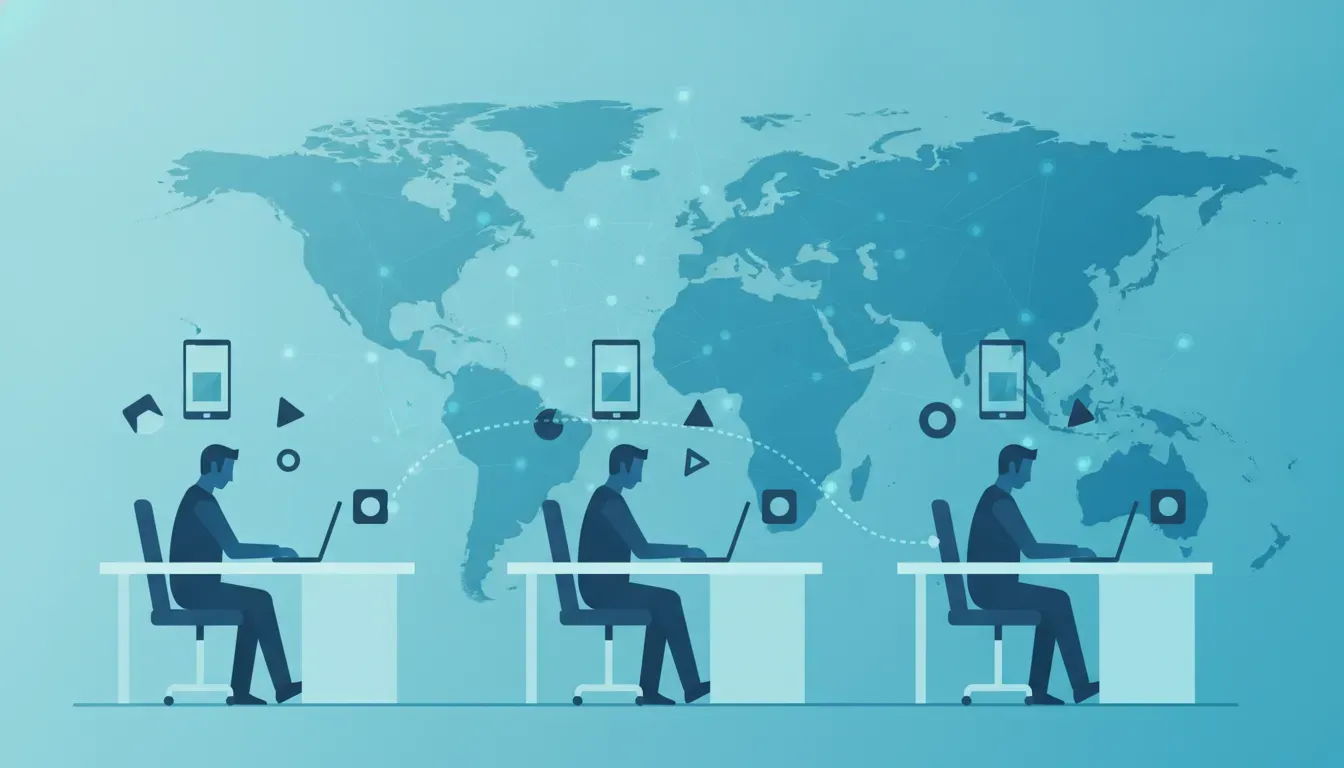
These developers integrate into your daily workflow without causing friction or slowing down your current projects. They work with your local teams in real time because they share the same time zones. This EST and CST overlap lets engineers talk with each other all day long to solve issues fast. They can update legacy code and fix system bugs during regular business hours with zero delay.
Talent Quality and Cultural Alignment
Nearshore teams use deep software engineering skills to handle complex tasks, like a complete enterprise engineering delivery. These professionals help businesses manage the risks of enterprise technical debt. Research from the Carnegie Mellon Software Engineering Institute shows that ignoring this debt can lead to major security issues and long-term problems. You can read more about these risks at the Software Engineering Institute blog.
These dedicated teams act as a natural extension of your own tech group. They use modern tools and agile frameworks to deliver clean, well-tested code. This seamless integration allows your internal staff to focus on daily tasks while nearshore experts rebuild backend systems. It keeps your business moving forward while you build for the future.
Nearshore teams share a strong Western cultural alignment that matches the work style of US firms. They speak fluent English, which makes daily planning, agile standups, and tech talks easy. Engineers can ask questions, share feedback, and work with your team with no communication gaps. CTOs choose these experts because they understand the unique steps of legacy system modernization.
Reduced Costs and Flexible Engagement
Building a full internal tech team in the US is both costly and slow for most companies. In contrast, nearshore partners offer 30% to 50% cost savings compared to domestic US hiring. You do not need to pay for long recruitment cycles, benefits, or local office space. This budget relief lets CTOs invest more funds into core tech research and product development.
Nearshore partners also offer flexible, low-risk terms with clear month-to-month contracts. You do not need to sign any long-term commitments to start working on your systems. This flexibility is supported by a 95% client retention rate, which shows deep partner trust. This combination of speed, cost savings, and quality makes nearshore teams the top choice for software modernization.
How to Vet a Legacy Modernization Partner
The need for specialized expertise
Choosing the right partner for legacy system modernization is a key choice for any tech leader. You must find teams who know how technical debt impacts your whole portfolio. This risk is well noted by the Software Engineering Institute at Carnegie Mellon University. Old software often has fragile connections that are hard to rebuild. A qualified team will help you map these risks before writing any new code. A poor choice can lead to project delays, security risks, or system downtime.
Key partner selection criteria
When you compare vendors, focus on these main areas:
- Track record: Look for a partner with hundreds of finished projects.
- Technical depth: The team must have deep skill in cloud migration and microservices.
- Clear milestones: Seek a team that uses a structured plan with clear, measurable goals for each phase.
- Security posture: Ensure they follow strict rules to keep your data safe.
- Safety: Ask for references that show updates run with no downtime.
Operational alignment and scale
A strong partner must also fit your day-to-day work. Choosing a nearshore team offers same-time-zone overlap and fluent English. This keeps your teams aligned. To meet these needs, tech leaders often use product engineering outsourcing. This model gives you the scale and speed to deliver. For example, our team at Teravision Technologies has delivered more than 1,000 projects to over 400 clients. We have a pool of 180 skilled engineers and can ramp up in just two weeks on a flexible month-to-month plan.
Month-to-month terms reduce your upfront risk and let you adjust your team size as your roadmap evolves. Our focus on quality has helped us earn a 95% client retention rate.
When you are ready to check your system goals, find a partner that matches your team's pace. The right choice will guide you toward modern, scalable platforms without risking your daily business work.
Book a Discovery Call to build a modernization roadmap your team can actually execute.
Frequently Asked Questions
What is legacy system modernization?
Legacy system modernization is the process of updating, rebuilding, or replacing outdated software and systems. Instead of a complete replacement, teams often make smaller improvements to cut keep-up costs and support digital growth. According to vFunction, this strategic path turns aging tools into useful assets that help your company move forward. This work makes software faster, more secure, and easier to scale.
Why is legacy system modernization important?
Keeping old software active creates massive technical debt and slows down business growth. Modernizing is vital because it improves agility, removes data silos, and lowers security risks. A study by Forrester shows that 76 percent of leaders invest in modernization to move away from legacy tools. This work lets companies protect their data, scale their services, and launch new products much faster.
What are the main risks of keeping legacy systems?
Outdated software lacks security patches, which leaves your company open to cyber attacks. Old code also leads to brittle system integrations and data sync errors. According to the Software Engineering Institute, technical debt carries a major cybersecurity impact. Over time, these risks drain your budget and make it hard to hire top developers who want to work with modern tools.
How does nearshore engineering accelerate legacy system modernization?
Nearshore teams help you build software much faster. With a rapid two-week ramp-up, these partners provide elite developers who work in your exact time zone. This timezone overlap ensures real-time teamwork and avoids project delays. By pairing top talent with proven frameworks, nearshore teams can speed up your software delivery by three to five times. Plus, month-to-month terms give you the freedom to scale up or down without long contracts.
Ready to Lead Your Legacy System Modernization?
Legacy system modernization is not a single sprint; it is a sustained strategic program that protects your security. Unblocks your roadmap, and turns aging software into a growth asset. You do not need to displace your in-house leadership or halt day-to-day delivery to get there. Teravision embeds elite nearshore engineering teams that integrate with your existing squads, ramp in as little as two weeks, and modernize critical systems without disrupting operations.
Talk to our engineering leadership about your estate today. Book a Discovery Call and we will help you scope a modernization roadmap your team can actually execute.
Related Articles

Set up a Discovery Call with us today and start working with Teravision, a company with 20+ years of experience in the software industry and Development Centers in Mexico and Colombia



Dedicated Software Teams
Augmented Teams
What's the Difference